Introduction
Water damage does not always lead to mold, yet damp building materials can shift from a repair issue into a health concern quickly. Stains, odors, and warped finishes may look minor at first glance. Hidden moisture can say otherwise. A careful response depends on timing, source, and spread. This guide explains when a property owner should stop guessing, document conditions, and bring in qualified help before cleanup choices create larger costs.
After the First Dry-Out
Once standing water is removed, the next question is not appearance. It is moisture retention. Wet framing, insulation, and drywall can hold water long after floors look normal. If materials stay damp for roughly 24 to 48 hours, mold risk rises sharply. That is the point where observation should become evidence-based review.
Why an Assessment Helps
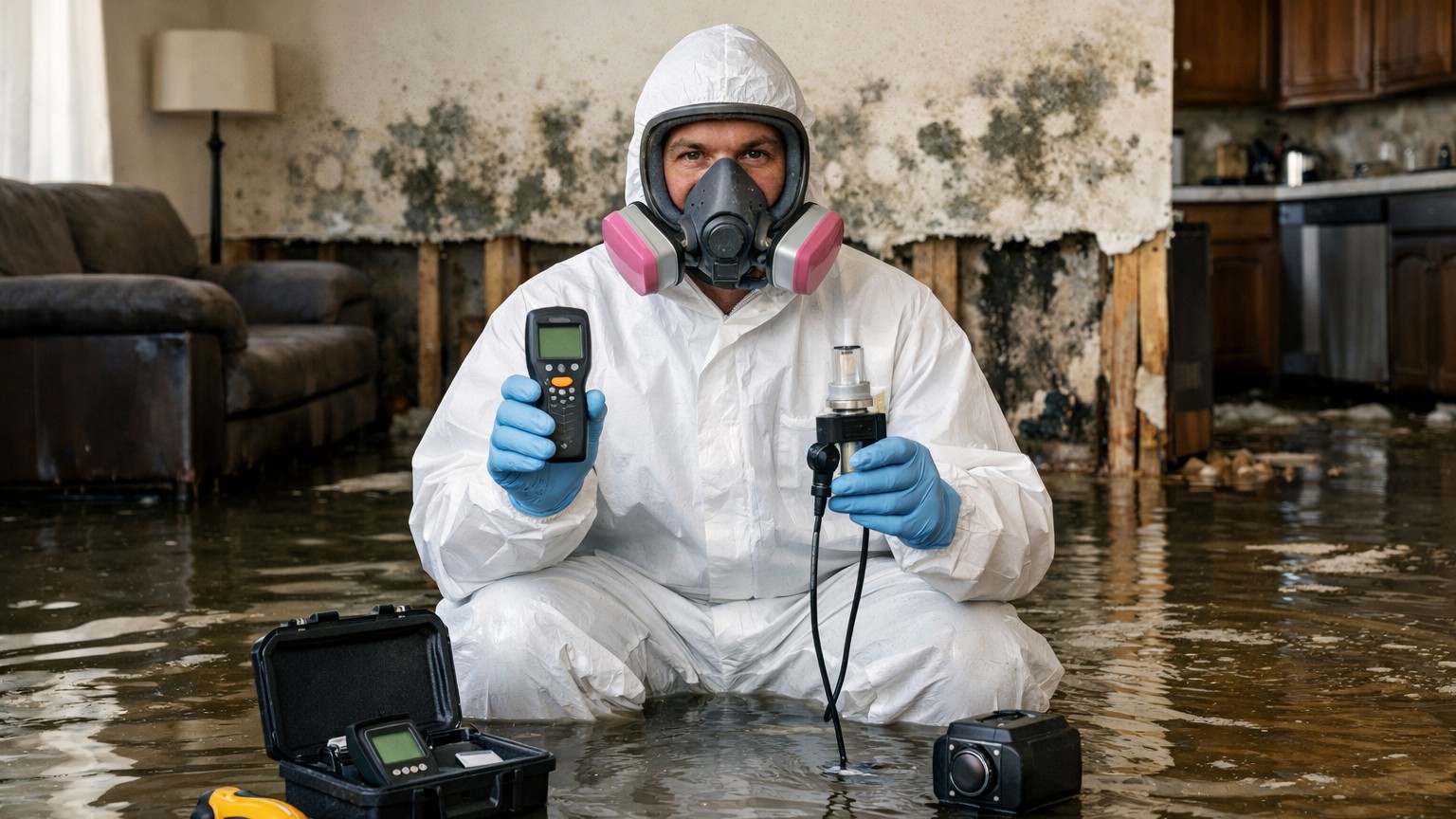
After a leak or flood, visible damage rarely tells the full story. Moisture can remain behind trim, inside wall cavities, or under flooring. In that stage, a licensed Mold Assessor can separate surface staining from active growth, check likely trouble zones, and document whether sampling or remediation guidance is actually warranted.
Leaks That Lasted Unnoticed
Slow plumbing leaks create a different problem than a sudden spill. They feed mold quietly over weeks or months. Cabinets, subfloors, and baseboards can stay damp without obvious puddling. If corrosion, soft drywall, or musty air appears near sinks, tubs, or supply lines, an assessment becomes a practical next step.
Stains With No Clear Source
Brown rings, yellow patches, and fresh paint bubbles often point to a moisture path that still exists. A stain alone does not confirm contamination. It does show that water moved through the assembly at some point. If the source cannot be identified quickly, inspection should happen before patching or repainting hides useful evidence.
Odor Without Visible Growth
A musty smell matters, even when walls look clean. Odor can travel from crawlspaces, attics, or enclosed cavities where airflow stays poor. That scent may come from damp dust, microbial growth, or soaked materials. A trained assessor can narrow the source and decide whether the issue is isolated or more widespread.
Post-Flood Purchases
Buyers often see fresh flooring and new baseboards after a storm claim. Cosmetic updates can help, but they do not prove that framing dried correctly. If a property has a known flood history, third-party assessment provides clearer facts. Reports can identify remaining moisture concerns, hidden growth patterns, and areas that need closer review.
Health Complaints Indoors
Coughing, throat irritation, and allergy flare-ups do not confirm mold on their own. Many indoor triggers can cause similar symptoms. Still, patterns matter. If complaints rise in one room, after rain, or near an older leak site, a targeted assessment helps connect building conditions with potential exposure concerns without relying on guesswork.
Before Major Tear-Out
Contractors may recommend removing drywall, cabinets, or flooring fast after damage. Sometimes that is necessary. Sometimes it is excessive. An assessor adds value before demolition begins because documentation can show the likely spread, moisture source, and affected materials. That guidance helps owners avoid both underreacting and paying for broader removal than conditions support.
Orlando Conditions Raise the Stakes
In humid climates like Orlando, drying windows can be less forgiving. Warm air and frequent storms keep buildings under pressure. Air conditioning can mask moisture problems by cooling a room without fixing wet materials. Local inspection firms, including Paramount Inspectors, emphasize visual review, moisture checks, and reporting because hidden dampness is common in these conditions.
What a Good Report Should Cover
A useful report should identify visible concerns, probable moisture sources, and areas inspected. It should also explain whether air or surface sampling makes sense. Clear next steps matter more than alarming language. Owners need a document that supports repair decisions, insurance discussions, and remediation planning without overstating what the evidence shows.
When Monitoring Is Enough
Every water event does not justify formal mold work. A small spill that dried fully within a day may only need cleaning and follow-up checks. Hard, non-porous surfaces usually recover better than absorbent materials. If readings are dry, odors are absent, and no staining spreads, simple monitoring may be the reasonable choice.
Conclusion
A mold assessment becomes necessary when water damage leaves unanswered questions, not merely when damage looks dramatic. Hidden moisture, repeat odors, unexplained stains, long-term leaks, and post-flood repairs all justify a closer look. Good decisions depend on verified conditions, not assumptions. Early evaluation can limit waste, reduce health concerns, and help owners choose repair or remediation steps that match the actual scope of the problem.