Introduction
Regular deep cleaning does more than improve appearance. It changes the indoor conditions that shape breathing, sleep, focus, and daily comfort. Dust, moisture, grease, and bacteria build quietly, then affect health in ways many households miss. A scheduled reset removes that hidden load before it spreads across soft furnishings, vents, kitchens, and bathrooms. Over time, cleaner rooms can support steadier energy, fewer irritants, and a calmer living environment for everyone inside.
Cleaner Air
Airborne particles settle into carpets, curtains, and upholstery, then return to circulation with each movement. In busy homes, many residents look for cleaning services in Christchurch after noticing stale air, lingering dust, or frequent sneezing. A thorough service reaches fibres, edges, and vents that routine wiping often misses. That deeper removal can lower irritants and leave indoor air feeling lighter.
Lower Allergen Load
Pollen, pet dander, skin flakes, and fabric dust collect in places that standard weekly tidying rarely reaches. Once those particles build up, they can trigger itchy eyes, blocked noses, and mild headaches. Deep cleaning helps cut that burden by lifting debris from mattresses, rugs, blinds, and corners. For many households, that means fewer daily irritants and more comfortable time indoors.
Moisture And Mould Control
Bathrooms, laundries, and shaded window frames often trap moisture for long periods. Damp surfaces give mould spores a place to spread, even when stains stay out of sight. Regular deep cleaning reduces soap film, grime, and hidden condensation residue. With those layers removed, surfaces dry faster and stay easier to monitor. That matters for lungs, because mould exposure can worsen coughing and chest irritation.
Kitchen Hygiene
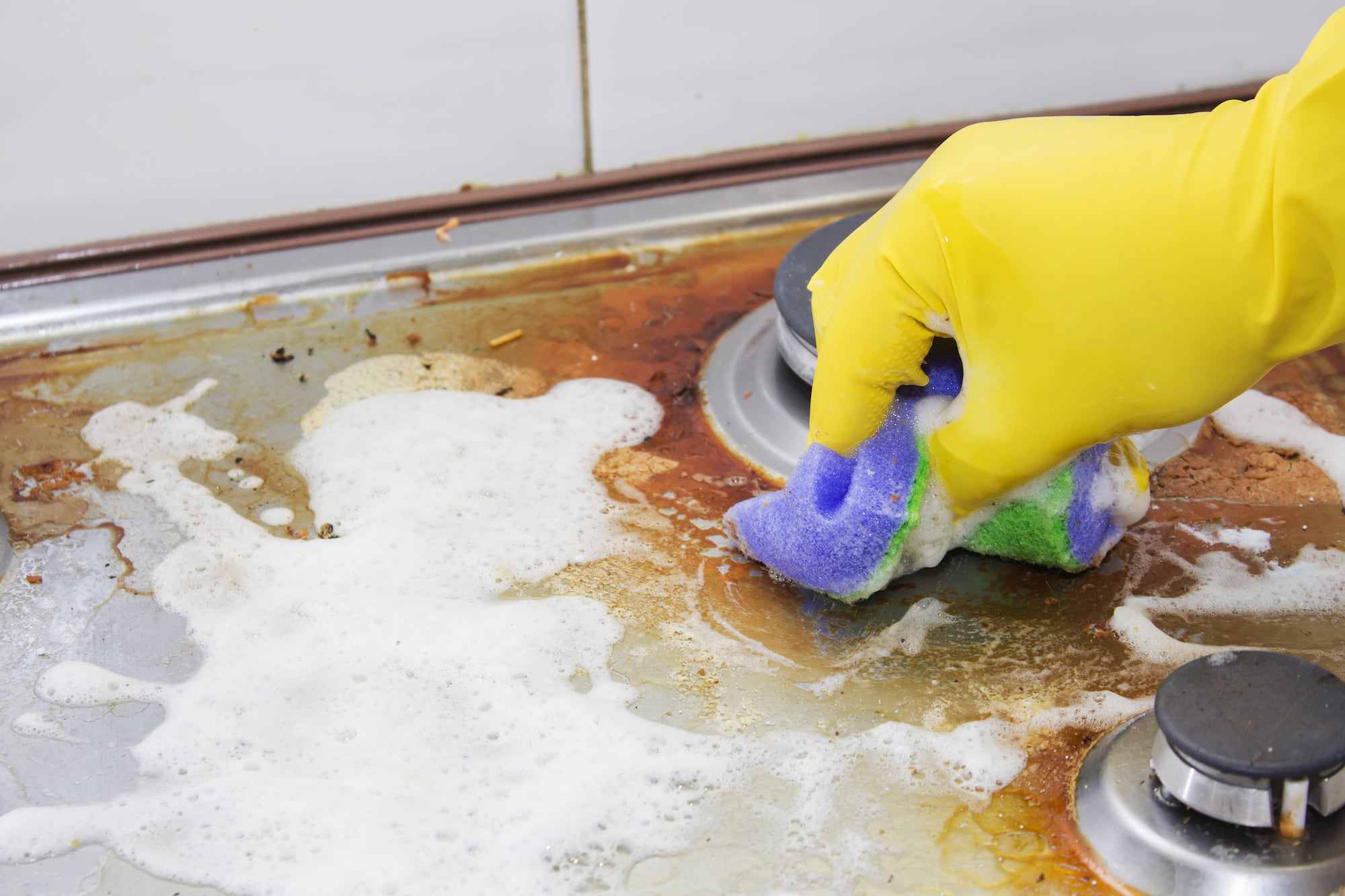
Kitchens look clean long before they are fully sanitary. Grease settles on cupboards, splashbacks, range hoods, and handles, then holds dust and bacteria in place. Food crumbs also hide beneath appliances and inside narrow gaps. Deep cleaning targets those areas with focused attention. Cleaner preparation zones can reduce cross-contact between raw foods, hands, utensils, and the surfaces used every day.
Bathroom Hygiene
Warm, enclosed bathrooms create ideal conditions for residue, odour, and germ growth. Mineral deposits, damp grout, and overlooked fixtures can keep microbes active long after visible dirt is gone. Deep cleaning helps clear toilets, taps, drains, tiles, and shower screens more fully. As a result, the room feels fresher, surfaces stay less slippery, and the risk from neglected buildup becomes easier to manage.
Better Sleep
Sleep quality often drops when bedrooms hold dust, stale fabric odours, or heavy air. Soft furnishings absorb particles over time, then release them with every movement during the night. A deeper clean refreshes mattresses, curtains, under-bed areas, and skirting edges that trap settled debris. Many people find the room feels calmer afterward, which can support easier breathing and a more settled bedtime routine.
Lower Stress
Clutter and dirt are different problems, yet both add mental strain when left unchecked. Sticky surfaces, marked floors, and crowded corners create a background sense of unfinished work. Deep cleaning removes that pressure by resetting the space in a visible way. Cleaner rooms often feel easier to use, easier to maintain, and easier for families to share without friction over chores.
Safer Touchpoints
Door handles, light switches, remotes, stair rails, and cupboard pulls collect constant hand contact. Those points rarely look dirty, yet they can hold germs for long periods. Deep cleaning pays attention to this hidden traffic pattern instead of focusing only on obvious mess. That approach helps reduce transfer from hands to faces, food items, and personal objects used throughout the home.
Fewer Pests
Crumbs, grease, moisture, and neglected corners attract ants, cockroaches, and other unwanted visitors. Once pests settle in, they leave droppings, shed skins, and extra contamination behind. Deep cleaning reduces the conditions that help them stay. Clearer skirting edges, cleaned bins, degreased surfaces, and tidier storage areas make a property less inviting. That can support healthier indoor conditions without relying on constant reactive treatments.
Support For Sensitive Groups
Children, older adults, and people with asthma often feel indoor pollution faster than others. Smaller particles, mould exposure, and poor air movement can affect them more sharply during ordinary daily life. Regular deep cleaning helps limit those pressures by reducing what lingers in fabrics, corners, and damp zones. For households with sensitive residents, that preventive routine can make a meaningful difference in comfort.
Conclusion
The value of deep cleaning reaches far beyond a polished look. Cleaner air, lower allergen levels, safer touchpoints, and better moisture control all shape how healthy a home feels from day to day. Regular attention also supports sleep, lowers stress, and reduces conditions that help germs or pests stick around. In that sense, deep cleaning is less about presentation and more about protecting the indoor environment our families rely on.