Strong lash and brow work depends on anatomy awareness, infection control, and practised hand control. Clients usually notice comfort, symmetry, and the condition of the hair before they comment on style. Reliable artists read skin response, follicle direction, and facial proportions during every appointment. Such clinical attention supports safer services, steadier client retention, and better cosmetic balance. In busy treatment rooms, polished fundamentals shape the difference between attractive results and preventable harm.
Consultation First
A careful intake sets the tone for safe cosmetic work. Through a structured lash and brow course, many artists learn how to assess hair density, lid sensitivity, medication history, and recent chemical exposure. This base matters because thin shafts (of hair), reactive skin, or home product misuse can change service choices. Sound consultation also helps technicians explain limits early, which protects trust and reduces correction visits later.
Sanitation Standards
Clean technique protects the skin barrier and the area near the eyes from avoidable irritation. Tweezers, palettes, pillows, and hands need the same cleaning routine after every use. Adhesives also require proper storage, as unstable temperature or moisture can alter their performance. Small hygiene gaps may lead to redness, itching, watery eyes, or poor wear. Clients often judge professionalism by cleanliness before any final reveal.
Isolation and Placement
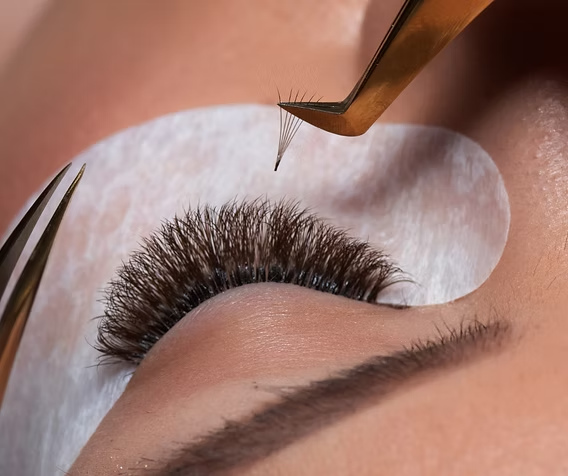
Isolation keeps neighbouring hairs from bonding together and pulling during growth. Placement decides how much tension the natural lash carries after treatment. Skilled technicians attach extensions in line with the shaft, while keeping a safe lid margin. Excess weight can stress follicles and speed shedding. Precision matters more than pace, because misdirected attachments rarely wear well.
Brow Mapping
Brow shaping starts with bone structure, muscle pull, and existing hair distribution. A useful map guides symmetry without forcing identical arches across different faces. Small measurement errors can shift expression, soften features, or create a heavy look. Experienced artists check front height, tail position, and peak placement before wax, tint, or lamination begins. That planning supports cleaner, more repeatable outcomes.
Product Control
Chemicals behave differently based on fine hair, coarse strands, oily skin, room humidity, and processing time. Adhesive may cure too quickly in damp air. Lifting lotion can weaken delicate brow fibres if left too long. Tint depth also changes with porosity and underlying pigment. Careful artists track all these variables closely. Guesswork usually shows up later as brittleness, patchiness, or weak retention.
Timing and Pace
Service timing affects tissue comfort, booking flow, and result quality. Hasty work raises the chance of stickies, uneven direction, or missed hairs. Very slow sessions can increase fidgeting, tearing, and neck strain. Strong technicians follow a steady sequence for setup, application, review, and cleanup. Repetition builds speed, yet judgment tells them when to stop and correct a small issue.
Client Comfort
Comfort influences client memory almost as much as the result they see in the mirror. Pads that press the lower lid can trigger watering and twitching. Harsh lighting, strong fumes, or poor neck support may increase fatigue during longer appointments. Alert artists watch breathing, posture, and facial tension throughout the service. These signs often appear before spoken feedback, which ensures quicker adjustment and calmer treatment.
Photo Records
Standardised photographs give artists objective reference points between visits. Front, profile, and closed-eye images can reveal gaps, twisting, inconsistent lift, or patchy stain uptake. Similar lighting helps comparisons stay useful over time. Fixed angles matter just as much as camera clarity. With visual records, technicians can explain progress, document corrections, and notice repeated retention changes that memory may miss.
Aftercare Teaching
Clear aftercare protects the result once the client leaves the treatment bed. Artists should explain cleansing, rubbing, sleep position, makeup removal, and refill timing in direct language. Vague advice often leads to confusion and early fallout. A short recap usually works better than a long lecture. Useful guidance supports hair integrity, steadier wear, and fewer complaints after home mistakes.
Notes and Review
Detailed notes turn each visit into a practical clinical reference. Helpful records include curl choice, diameter, processing time, patch test response, sensitivities, and client comments. These details reduce guessing during maintenance appointments. Review also reveals patterns, such as one brow processing faster or one eye shedding earlier. Consistent documentation strengthens decision-making and helps artists adjust technique with evidence.
Business Judgment
Technical talent alone rarely sustains a healthy appointment book. Pricing, consent, scheduling, and service limits all influence stress inside the treatment room. New technicians sometimes undercharge, rush, or promise unsuitable outcomes. Each habit can damage hair health and professional credibility. Sound judgment means setting boundaries, explaining upkeep plainly, and offering services that match the available skill, time, and physical stamina of a technician.
Conclusion
Mastery in lash and brow practice grows through repeatable technique, strong observational skills, and respect for tissue health. Artists who refine consultation, sanitation, placement, timing, and documentation usually create more dependable outcomes. That consistency supports client comfort, boosts hair preservation, and builds long-term trust. In a crowded field of beauty, polished fundamentals still carry serious weight. People can often sense careful work before they have the words to describe why.