Introduction
Commercial roofs shape operating risk, reserve timing, and tenant comfort. A sound surface can last decades, yet hidden wear often shortens that span and raises repair budgets. Owners, lenders, and buyers need a clear view of present condition before setting capital plans. Cost-to-cure planning turns defects into line items, which helps teams compare urgency, price, and remaining service life without relying on rough guesses or optimistic assumptions.
Why Roof Age Misleads
Roof age gives only part of the story. Installation quality, drainage, foot traffic, weather, and past patching often matter more than the date on a permit. A ten-year-old system may perform worse than a fifteen-year-old assembly if water ponds after storms. Clear records help, yet field evidence usually carries greater value during purchase reviews.
Inspection Before Budgeting
Before reserve figures are set, decision makers usually need facts from the roof surface, interior ceilings, drainage paths, and service penetrations. A recent Commercial Building Inspection can help connect visible wear with broader building conditions, including structure, electrical exposure, and heating equipment near membrane openings. That context supports cost-to-cure planning because roof defects rarely stay limited to one material line.
Core Life Drivers
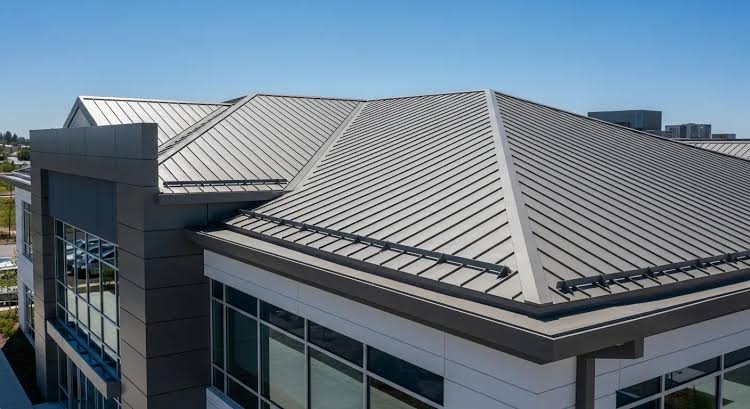
Material type affects expected service years. Single-ply membranes, metal panels, modified bitumen, and built-up roofs age in different ways. Climate also shifts performance. Strong sun can dry compounds, while heavy rain stresses seams and drains. Maintenance history matters as well. Routine cleaning and prompt patch work often preserve useful years that neglect would erase.
Signs That Shorten Service Life
Leaks attract attention first, but subtler clues often appear earlier. Blisters, open laps, cracked sealant, rusted flashing, and soft insulation can point to larger failure. Ceiling stains may show long after moisture entered. Wet insulation also reduces thermal performance, which increases utility costs. Those losses belong in cure planning because they affect total ownership expense.
What Cost-to-Cure Means
Cost-to-cure converts each roof issue into a realistic corrective scope with pricing. That scope may include patching, drain improvements, flashing replacement, insulation removal, or full recover work. The goal is not a perfect estimate to the dollar. Decision makers need a credible range that supports negotiation, reserve planning, and lender review without overstating minor defects.
Short-Term vs Long-Term Costs
Some defects need action right away. Active leaks, unsafe decking, and loose edge metal can threaten interiors or public safety. Other items can wait through a planned cycle. Surface coating, isolated seam work, or added walkway pads may fit next year’s budget. Separating immediate cures from deferred work keeps capital plans practical and easier to defend.
Useful Data for Owners
Roof planning improves when teams track a few clear measures.
Key Metrics
Remaining useful life estimates guide reserve timing. Repair cost per square foot helps compare assets. Moisture scan results show hidden damage. Drainage performance after rain identifies ponding risk. Photo logs support future reviews. Bid history can reveal whether repeated patching now costs more than replacement, which often changes the smartest path.
Due Diligence During Transactions
Buyers often focus on lease terms and revenue, yet roof condition can shift returns quickly. A low asking price may hide major envelope work within two years. Sellers benefit from the same clarity because known defects can be priced or cured before closing. Lenders also prefer concise findings tied to probable costs, dates, and service expectations.
Building a Practical Reserve Plan
A practical reserve plan starts with current condition, then layers timing. Teams can map urgent repairs within twelve months, medium items across three years, and replacement timing near end of life. That structure helps asset managers avoid sudden cash calls. It also supports tenant communication because work windows, access limits, and noise impacts become easier to schedule.
Conclusion
Roof lifespan planning works best when age, condition, and cure cost are reviewed together. A roof can appear serviceable while carrying hidden moisture, weak flashing, or deferred drainage fixes that change ownership cost. Clear inspection data helps commercial teams rank repairs, schedule reserves, and negotiate deals with fewer surprises. In commercial property management, careful roof review often protects cash flow more effectively than broad assumptions about remaining years.