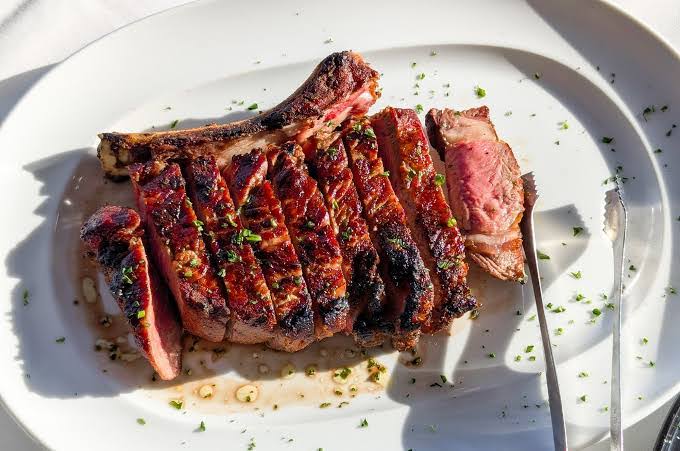
A memorable steakhouse meal starts well before the first bite. The menu should make choices clear, staff should answer questions without guesswork, and the kitchen should cook each cut with care. Comfortable surroundings matter too, particularly when diners want to settle in over a long meal. The best way to judge a restaurant is to look beyond the promise of a good steak and examine how it handles the beef itself.
A Menu That Explains Cuts
A search for steak in Melbourne brings up plenty of choices, but a useful menu gives diners a way to compare them. Look for named cuts and clear descriptions rather than a generic promise of premium beef. A ribeye, for example, has different fat distribution from a leaner fillet. Staff should be able to explain those differences without pushing the most expensive option.
A good menu also makes the basis of any comparison clear. If a steak is described as aged or grain-fed, a diner should be able to ask what that means for its flavour and texture.
Beef Chosen With a Purpose
Marbling, the fat within the muscle, affects a steak’s texture and flavour as it cooks. A diner who enjoys a lean cut has different priorities from someone who prefers a steak with more fat. Neither preference makes one cut automatically better.
A thoughtful kitchen chooses cuts suited to its cooking method and gives each one enough attention. Uneven trimming or a large strip of hard fat can make a serving less enjoyable, even if the meat itself is good. Consistency across visits is a more useful test than a single impressive plate.
Heat That Suits the Cut
A well-cooked steak needs a browned exterior and an interior cooked to the requested level. A thick cut needs different handling from a thin one, while a fattier steak benefits from enough heat to soften its fat. The goal is an appetising crust without a burnt surface.
Resting after cooking gives the juices time to redistribute through the meat. A steak should arrive warm and ready to eat, rather than sitting on the plate in a large pool of liquid. The first cut gives diners a useful indication of the kitchen’s care.
Clear Answers About Doneness
Diners do not all use the same terms for doneness in the same way. A server who describes the expected colour and texture gives the kitchen a clearer order than one who relies on a single label. That conversation is useful when a diner prefers little pink or wants a softer centre.
The cut matters, too. A lean fillet and a fattier rib eye respond differently to heat, so staff should be prepared to discuss how the requested cooking level suits the choice. If the result misses the mark, a good restaurant addresses the issue promptly.
Sides That Belong on the Plate
A steak dinner needs sides that suit the meat rather than compete with it. Crunchy roast potatoes add texture, while a simple salad or cooked greens bring freshness. Sauces should complement the steak, with enough flavour to be noticed without covering the beef completely.
The menu should also say whether sides and sauces are included or ordered separately. That detail helps diners compare meals fairly before ordering. For groups, shareable sides can work well when portions are described clearly, and everyone knows what will arrive at the table.
Service That Reads the Table
Good service starts with accurate answers about the menu and continues after the food arrives. Staff should know which cuts are available and check with the kitchen when a question needs clarification. Diners with allergies or dietary requirements should raise them before ordering, then confirm how the restaurant handles their needs.
Timing matters as well. A group should receive its main meals together, and staff should check whether the steaks are cooked as requested. Guests should have time to enjoy the meal without waiting too long to order or pay.
Value Beyond the Headline Price
A higher price does not guarantee a better steak. Diners should compare the cut, what accompanies it and the level of service before deciding whether a meal is worth the cost. A clear menu makes that comparison easier than a list of vague descriptions.
Small details matter over a full visit. Clean tableware, comfortable seating and noise levels that allow conversation all affect the experience. A restaurant that handles these basics well gives diners space to focus on the food and the people at their table.
Conclusion
A great steakhouse earns repeat visits through choices that diners can see and taste. Before booking, check whether the menu names its cuts and explains what comes with each meal. At the table, ask how a preferred cut is cooked and whether a side is included. The answer should be straightforward. If the steak arrives as ordered and the restaurant handles the rest of the meal with care, diners have a sound reason to return.


