Introduction
A home inspection gives buyers and sellers a grounded picture of a property’s condition before final decisions are made. In Raleigh, North Carolina, homes can show wear from humidity, storms, heat, and shifting soil. Older houses may hide deferred maintenance, while newer builds can still carry installation defects. A clear inspection report helps all parties sort safety concerns, plan repairs, and decide whether another expert should examine a troubling item.
First look
During a purchase, many clients begin with Home Inspection in Raleigh NC because local clay soil, crawl spaces, mature trees, and seasonal moisture can hide concerns behind clean finishes. That broader review creates a workable list of defects, service life estimates, repair priorities, warranty questions, and follow-up needs before negotiations harden. From there, inspectors move from the outside inward, checking visible, reachable components in a steady order.
Site and drainage
Inspectors usually start with grading, walkways, driveways, porches, and drainage patterns near the house. Poor slope can send water back to the foundation after heavy rain. Gutters, downspouts, and splash control also matter. Standing water, damaged retaining walls, loose railings, or trip hazards often appear in this first pass and can signal larger maintenance concerns.
Foundation and framing
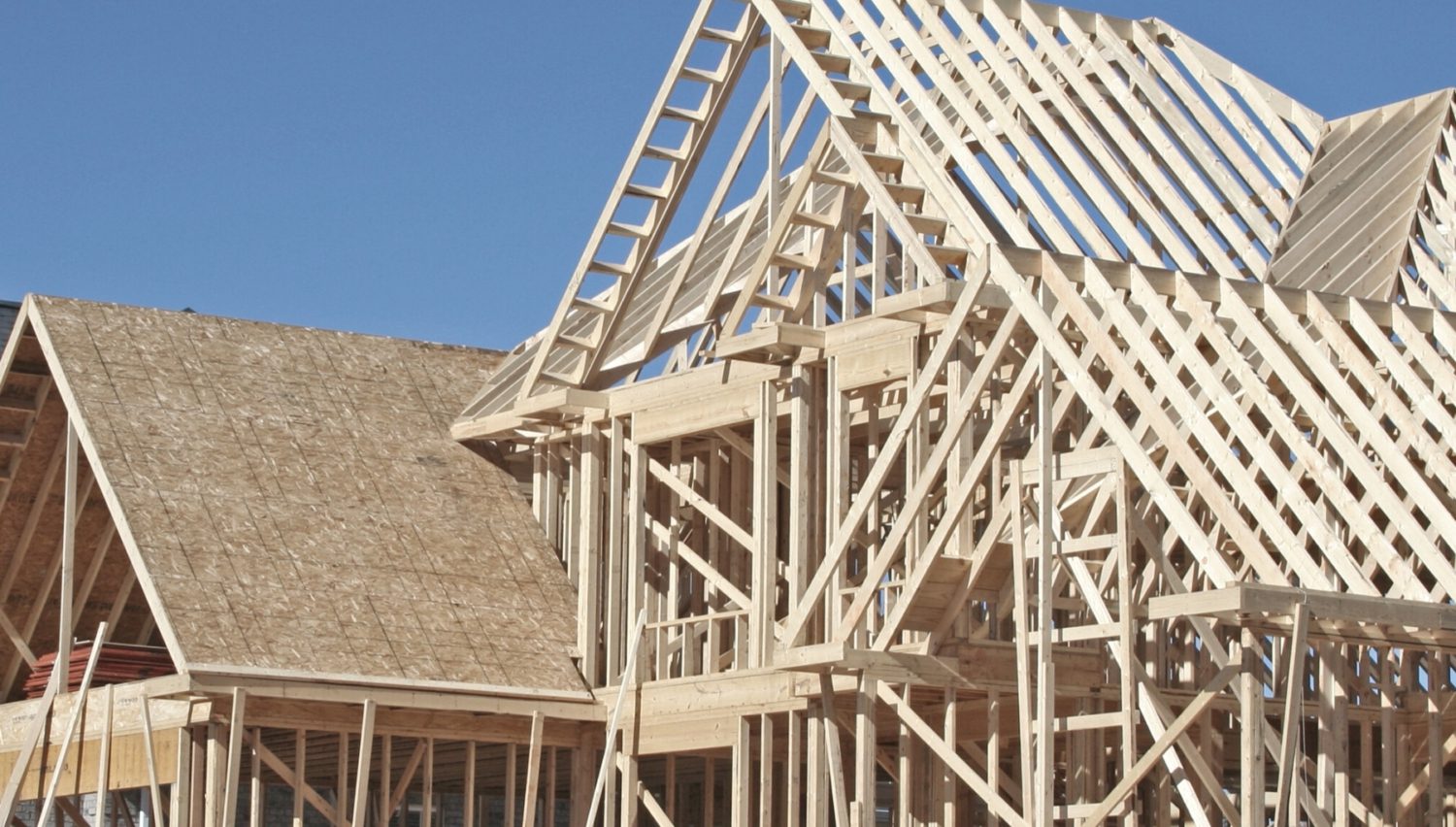
Next, the structure gets a close visual review. Inspectors look for uneven floors, cracked masonry, sticking doors, split framing members, and signs of movement in crawl spaces or basements. Small cracks may be cosmetic. Wider separation, sloping, or repeated patching can point to settlement, moisture damage, or framing stress that deserves more study.
Roof and attic
The roof covering, flashing, penetrations, and visible chimney sections are key parts of the inspection. Inside the attic, inspectors check framing, ventilation, insulation depth, stains, and daylight entry. Missing shingles, soft sheathing, rusted flashing, or damp insulation can suggest active leaks. Tree cover common in Raleigh neighborhoods also raises wear from debris, shade, and branch impact.
Plumbing system
Plumbing checks usually include supply lines, drains, fixtures, water heater condition, and visible leaks. Water pressure, slow drains, corrosion, and improper repairs can signal trouble behind walls or under floors. Older galvanized piping may be near the end of useful life. In crawl-space homes, past seepage or uninsulated lines can also show up during this stage.
Electrical system
Electrical reviews focus on the service entry, panel, breakers, visible wiring, switches, receptacles, and safety devices. Inspectors look for double-tapped breakers, scorched conductors, missing covers, reversed polarity, and outdated components. A house may function day to day while still carrying shock or fire risk. That makes electrical findings some of the most important items in any report.
Interior surfaces and openings
Inside the living areas, inspectors review ceilings, walls, floors, stairs, windows, and doors for damage or poor operation. Cracks, stains, soft spots, and fogged glass can reveal moisture issues or movement. Stair geometry and guard spacing matter for safety. Window function matters too, since painted-shut units or failed seals can affect egress, comfort, and energy use.
Moisture and airflow
Moisture control is a major concern in this region. Inspectors watch for fungal growth, musty odors, condensation, blocked vents, and wet crawl-space materials. Bathrooms, laundry areas, and attics often reveal poor exhaust paths. Insulation quality is reviewed at the same time, since missing coverage can drive higher utility costs and raise the chance of hidden dampness.
Built-in equipment
Most general inspections also cover built-in kitchen appliances, the heating system, central cooling, and basic safety features. Units are tested with normal controls, not taken apart. Smoke alarms, garage door reverse features, and visible flue conditions may be noted as well. Age matters here, since older equipment can work today while nearing replacement soon.
When specialists should step in
Common referrals
If an inspector finds movement patterns, active leaks, unsafe wiring, hidden drain trouble, or pest signs, a specialist may need closer testing. Structural engineers can judge framing concerns. Plumbers may scope sewer lines. Electricians can trace overloaded circuits. Roofers, chimney crews, mold assessors, and pest firms handle problems that fall outside a general visual inspection.
Conclusion
A Raleigh home inspection covers far more than a quick checklist. It gives a practical snapshot of structure, systems, moisture risk, and visible safety issues before money changes hands. Still, a general inspection has limits, since hidden defects and technical failures can require deeper evaluation. When a report flags a concern, bringing in the right specialist quickly can protect budgets, support fair negotiations, and reduce unpleasant surprises after closing.